WELCOME TO OHIO BEAVER STRATEGIES

At Ohio Beaver Strategies (OBS), we take your concerns seriously and are interested in creating a plan that meets your goals. Typically, non-lethal methods, such as pond levelers and culvert protective fences, are a more long-term, cost-effective solution than yearly beaver removal. However, on occasion, when no ponding is tolerable, trapping may be necessary.

Every site is unique, so we complete an in-depth site assessment to determine the best strategy at each location and use our knowledge of beaver behavior to manage any issues. If you or your organization would like a presentation, are interested in learning more about beavers, or are having issues with flooding due to beaver activity, reach out to us below.
REQUEST A SITE ASSESSMENT

Ohio (Locations within 2 hours from Akron, Ohio)

At OBS, we are interested in protecting infrastructure, private property, and preserving the biologically diverse ecosystems created by beavers. We believe our work allows humans and beavers to coexist.

Looking to book an assessment? Our team is standing by to assist you.

Contact Info:

Send us an email to the address below with you Name, Address, and preferred contact method (email, phone, or both).

Email: info@ohiobeaverstrategies.com

Site Assessments Include

  • Identifying your beaver problem(s) and goals
  • Collection of site-specific information
  • Data analysis
  • Specific recommendations in a written report
  • Written cost estimate for any recommended work

**Site Assessment for any Do-It-Yourself folks also available

Beaver Significance

Environmental Impacts

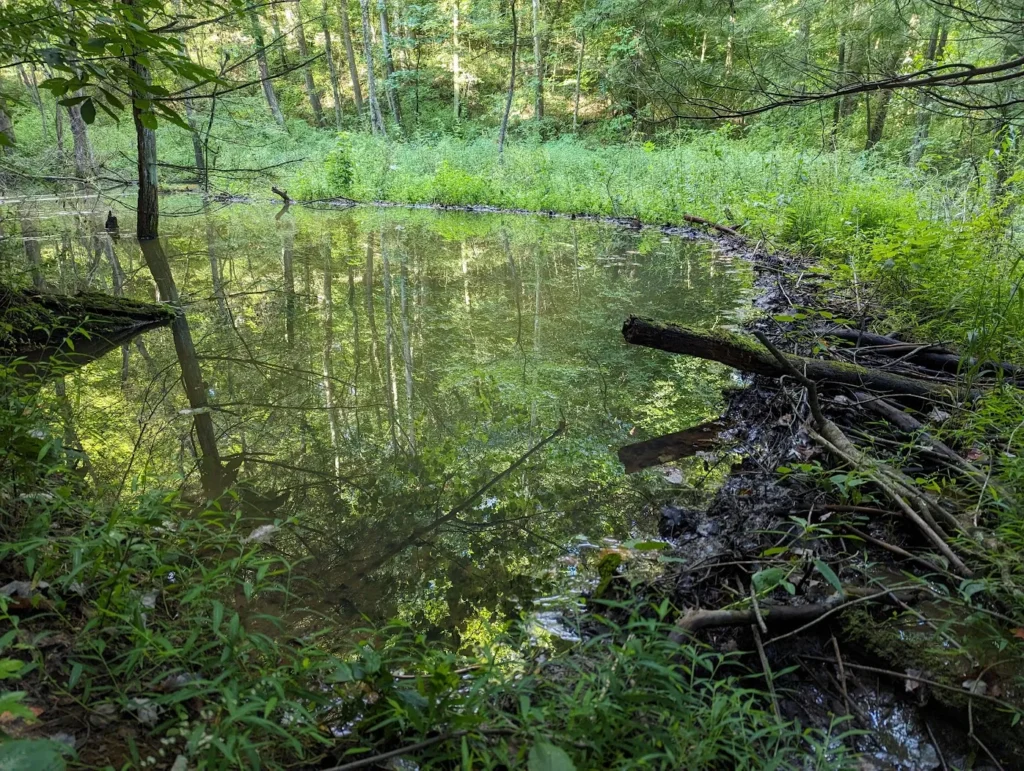
Beavers play a crucial role in the environment. Their dam-building activities create wetlands, which are among the most productive ecosystems in the world. These wetlands provide habitat for a variety of plants and animals, increase biodiversity, and improve water quality by filtering out pollutants. Moreover, the dams help in groundwater recharge and reduce the impacts of floods and droughts. Despite being seen as a nuisance sometimes due to their tree-felling behavior, beavers are, in fact, nature’s ecosystem engineers

Behavior and Biology

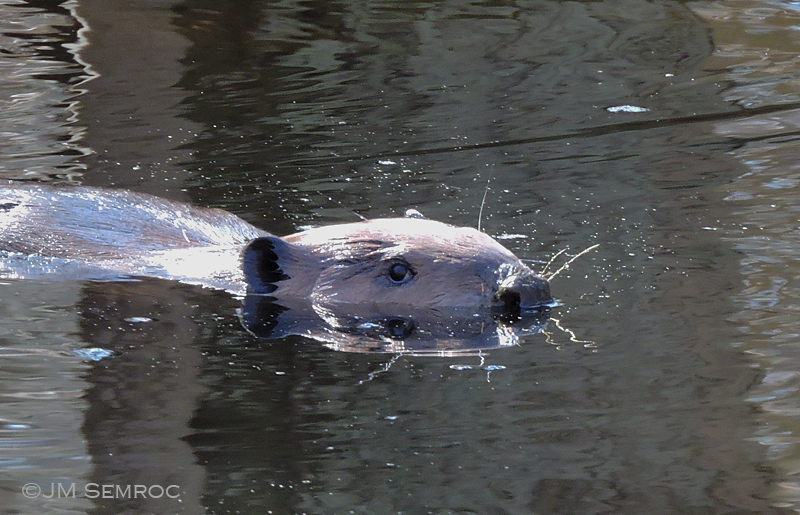
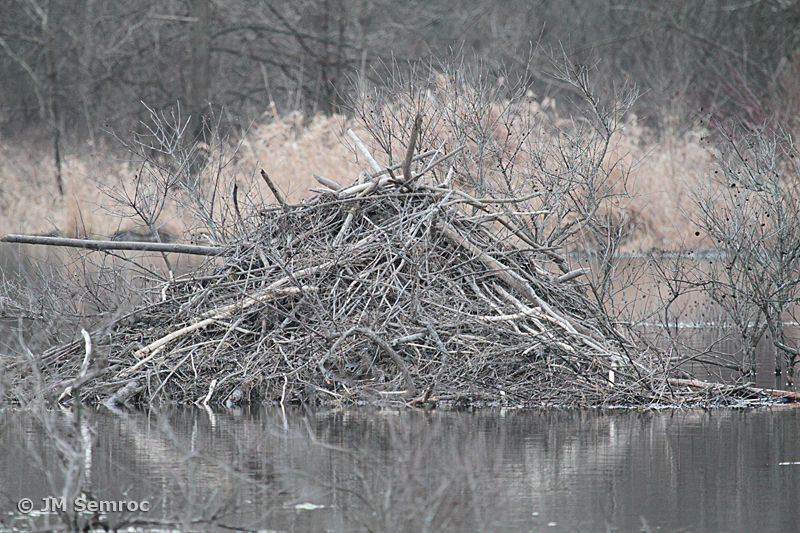
Beavers are semi-aquatic rodents known for their natural engineering skills. They inhabit a variety of freshwater habitats, such as rivers, streams, ponds, and lakes. Beavers are famous for building dams, lodges, and canals. The dam creates a pond, which provides safety from predators and easy access to food during winter. The lodge, built within the pond, serves as a home where beavers raise their young, store food, and seek refuge from predators and cold weather.

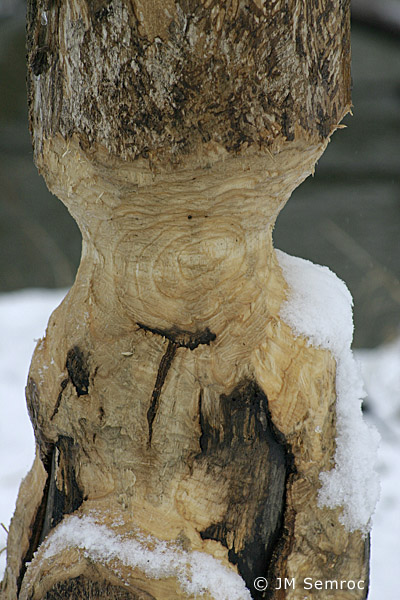
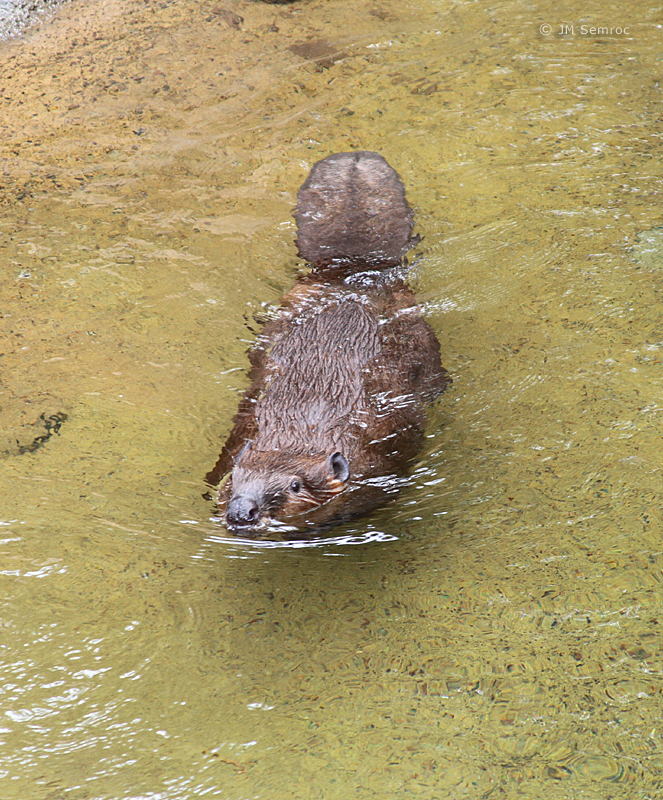
Beavers are primarily nocturnal and are excellent swimmers. They have a set of transparent eyelids that function like goggles, allowing them to see underwater. Their large, flat tail serves multiple purposes: it acts as a rudder while swimming, a prop while sitting or standing upright, and a warning signal when slapped on the water surface. Beavers are also known for their strong teeth that never stop growing. They use these teeth to cut down trees and shrubs for building their structures and for food.

Benefits

  • Biodiversity
  • Carbon Sequestration
  • Drought Resistance
  • Flood Control
  • Recharge Groundwater
  • Wildfire Protection
  • Water Quality and Protection